A Day in the Life of a Pharmacist: Katie Anderson Peacock on What Pharmacists Really Do, the Path In, and the Life Around the Counter
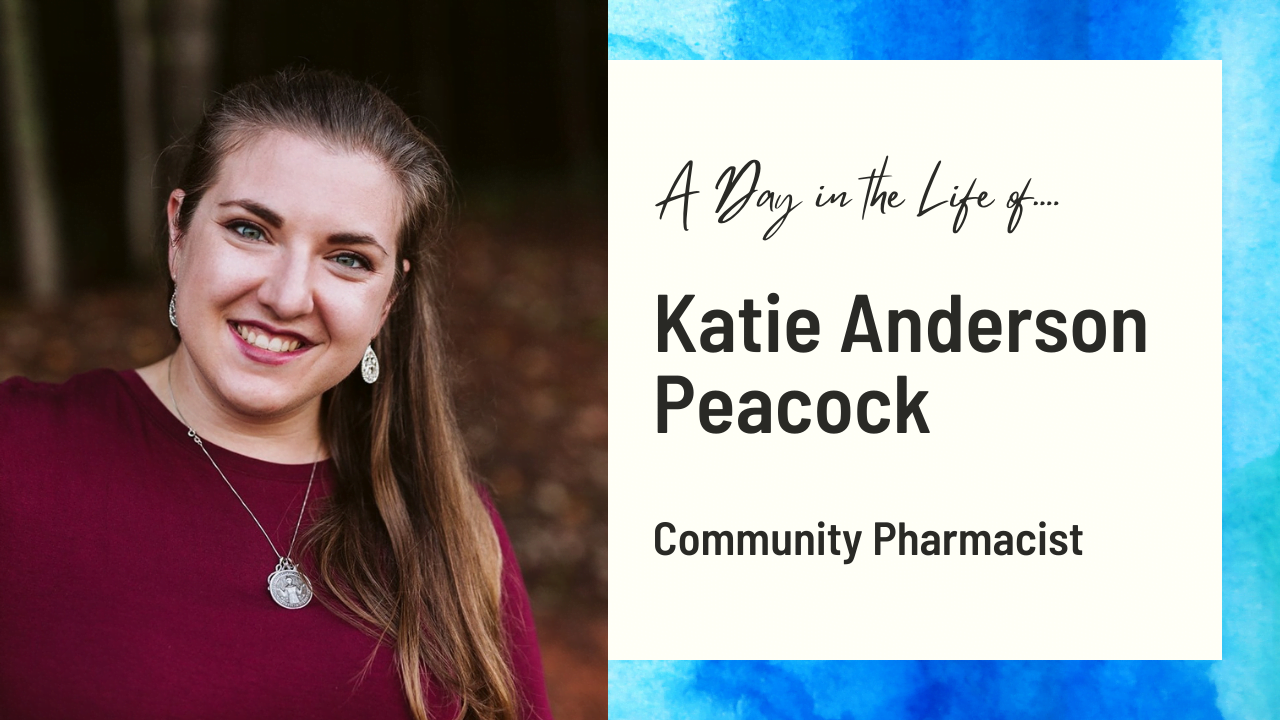
Katie Anderson Peacock is a community pharmacist with a doctorate in pharmacy, the person standing behind the counter making sure the right medicine reaches the right patient, and that the patient actually understands it. She knew she wanted this career earlier than most people know anything.
Her story is a rare thing on a careers show: someone who found her path young and never really doubted it. This is the full picture of what a pharmacist actually does, how she got here, and the life she keeps outside the twelve-hour shifts.
Why she became a pharmacist
Katie was always drawn to science and math. The moment it clicked into a calling came in high school, when her grandmother developed what looked like a sunburn while sitting in the kitchen. It made no sense until Katie dug in and found a drug interaction, a side effect no one had warned her grandparents about, and they lived 700 miles away.
That’s myself, whose job is to make sure that people understand the medicines they take. At that moment I thought, I could see myself doing that, taking care of other people’s family members like they’re one of my own.
Katie Anderson Peacock
Becoming a doctor or nurse was never in the cards. She liked, in her words, having a counter between herself and the patient, the academic side of medicine, answering the questions and making sure people understand what they put into their bodies.
What a pharmacist actually does that people miss
Most people picture the person who hands over the prescription. Katie’s mission is the part people walk right past: counseling.
Most pharmacists behind the counter have had a doctorate since the early 90s. When you sign that you accept or decline counseling, that pharmacist is there to make sure you get the most benefit from your medications. My hope is that everyone leaves knowing what they’re taking, how it will help, and what to expect, the good, the bad, and the ugly.
Katie Anderson Peacock
She also walked through the hidden life of a single prescription: a technician keys it in, then Katie checks it against the patient’s whole medication history for interactions and safety, factoring in age, other conditions, and pregnancy. A red flag means calling the prescriber and waiting, sometimes ten minutes, sometimes until the next morning.
My primary concern is that the medicine you receive is both safe and effective. If we can’t check off both boxes, I’m going to sit on that pause button until we can.
Katie Anderson Peacock
And there is more range in the field than the counter suggests. Katie described pharmacists in hospitals, in drug development, in insurance companies deciding what gets covered, and in the growing ambulatory-care model, embedded right in a primary-care clinic. That last one is where she hopes to head, along with academia, teaching future pharmacists.
The part of the job she loves: helping people own their health
Ask Katie her favorite thing and it is the variety, and the difference she makes in a day. People do not come to a pharmacy because they feel well, so she often becomes a steady support for someone managing a chronic condition. When a third or fourth diabetes medication gets added, she asks about the person’s actual day.
It’s not that you can’t have the iced coffee. But at what point does that coffee mean more than making it to your kid’s wedding? I ask, what’s the one thing you’re willing to trade? For some people it’s a walk every day. For others it’s giving up soda. No two people are alike, so you meet them where they are.
Katie Anderson Peacock
That instinct, that a person gets to decide their own trade-offs and find the movement that actually brings them joy, is the same idea that runs through reclaiming your internal authority over your own health.
How to become a pharmacist
Katie’s path ran straight through pharmacy school to a doctorate. She is honest that the one wobble came from never having done the job. Shadowing before her senior year, walking up the steps of an independent pharmacy for the first time, she realized that liking the idea of a career and doing it every day are two different things. After a bad day she still asks why she does it, and the answer settles her.
When I think, what else would I do if not this, I can never come up with anything I’m better suited for. That’s when you realize your heart’s in the right place.
Katie Anderson Peacock
She is also proud that pharmacists do far more than dispense. In South Carolina she administers vaccines, and under expanded pandemic-era authority she has given childhood and COVID shots. Pharmacists became the top administrators of the COVID vaccine in the country. It is one of her favorite parts of the day. Her field sits close to others in care and education, including people figuring out a teaching career and clinicians like a pediatric speech pathologist.
A day in the life: unlocking the gate at nine
As a community pharmacist Katie works long shifts, often twelve hours, nine to nine, which means fewer days a week. She is the one who unlocks the pharmacy each morning. Doctors’ offices opened an hour earlier, so orders are already waiting.
By the time I leave, I’ve processed usually a thousand prescriptions. Some days I fill a hundred, some days five hundred or more. There’s no telling what questions will walk up to the counter.
Katie Anderson Peacock
Between filling prescriptions she steps away to help someone choose an over-the-counter medicine, locate an item, or calm the situation when a parent is waiting with an unhappy child. Every prescription still takes the same path from the doctor’s hand to the patient’s, and programs that sync refills exist so a person’s medication supports their life instead of running it.
The life around the counter
Outside the pharmacy, Katie loves being outside, and sometimes lines up a day off with her younger sister, who also works in healthcare, for an uncrowded hiking trail. She and her husband tried a garden one summer, though the bugs got most of the tomatoes. Because her shifts are long, chores and appointments get crammed into her days off, but there is real play time too.
Her family runs on escape rooms. She, her husband, and their local siblings have done a few dozen and never failed to get out. And she and her husband started married life with an adventure: on a Florida Keys honeymoon, planned because a community pharmacist cannot exactly work remotely or risk a positive test abroad, he surprised her with a tandem skydive over Key West.
There’s that moment of panic as you jump, then you’re like, oh, I’m fine, this is fun. To start our married life with an adventure, it was perhaps the most fun thing I’ve ever done.
Katie Anderson Peacock
FAQ
Some of the questions people ask most about a career in pharmacy, answered from Katie’s experience behind the counter.
How do you become a pharmacist?
Pharmacists earn a doctor of pharmacy (PharmD) degree, which most practicing pharmacists have held since the early 1990s, along with licensure. Katie knew the field young, but she stresses that shadowing a real pharmacy is what tells you whether the day-to-day fits you.
What does a pharmacist actually do all day?
Far more than dispensing: checking every prescription against a patient’s full medication history for interactions and safety, calling prescribers about red flags or insurance coverage, counseling patients, administering vaccines, and helping with over-the-counter choices, often across a thousand prescriptions a day.
What career paths exist in pharmacy?
Community and hospital pharmacy, drug development, insurance and formulary decisions, business ownership (compounding, pharmacogenomics), academia, and the newer ambulatory-care model where a pharmacist is embedded in a primary-care team.
Is pharmacy a good career?
Katie loves the variety and the chance to make a daily difference, and is candid about the risk of burnout, especially through the pandemic, and the reality of long shifts you cannot do remotely.
Final thoughts
What comes through in Katie’s story is that certainty and service are the same muscle for her. She knew young, and what she does with that certainty is hand it to other people: helping a patient understand their medicine, decide their own trade-offs, and feel like someone has their back long after the doctor’s office has closed. Her whole job is helping people trust themselves with their own health.
If you found your path early, does it still fit the person you have become? And if you are still looking, what small thing could you shadow before you commit to it?